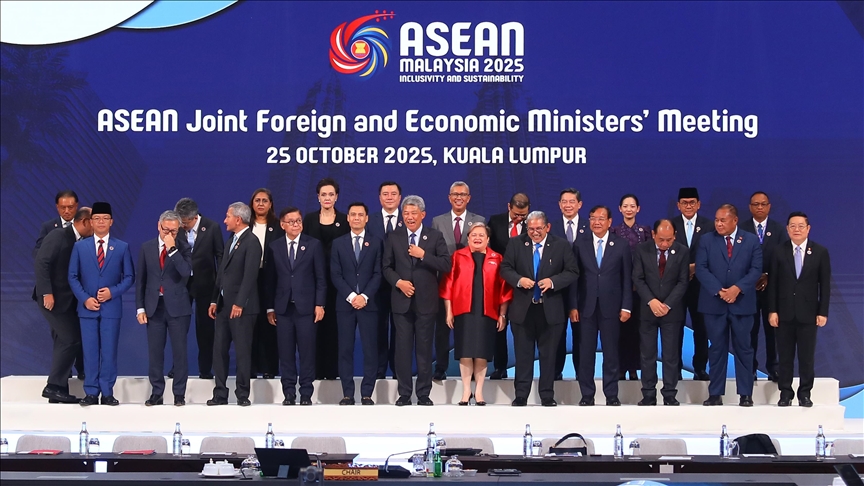
In the latest global trade developments, international markets are responding to multiple policy changes that could reshape export dynamics worldwide. A pivotal headline emerged about tariff cuts and strategic shifts among major trade partners. Countries in the Association of Southeast Asian Nations (ASEAN) have agreed on reduced tariffs on specific products to stimulate intra-regional trade, boosting competitiveness and supply chain integration. Observers note this could pressure global manufacturers to realign production strategies to remain cost-competitive. Simultaneously, the Indian government welcomed reduced U.S. tariffs on its exports, which experts say will help bridge economic imbalances and tap new market opportunities for Indian exporters. In another development, several European countries are reviewing their tariff frameworks to attract technology and renewable energy investments, aiming to fortify post-pandemic recovery. At the same time, global commodity markets showed volatility with oil prices reacting to shifts in demand projections and production plans by leading OPEC members. Financial analysts believe that a blend of tariff adjustments and shifting geopolitical trade strategies will set the tone for international commerce in the coming months. Overall, these developments point toward gradual liberalization of trade barriers globally, even as nations safeguard vital industries and prioritize domestic growth and employment.
ASEAN Tariff Cuts & Global Export Impacts
UK
By UK daily Times
Feb 4, 2026
•
1 min read