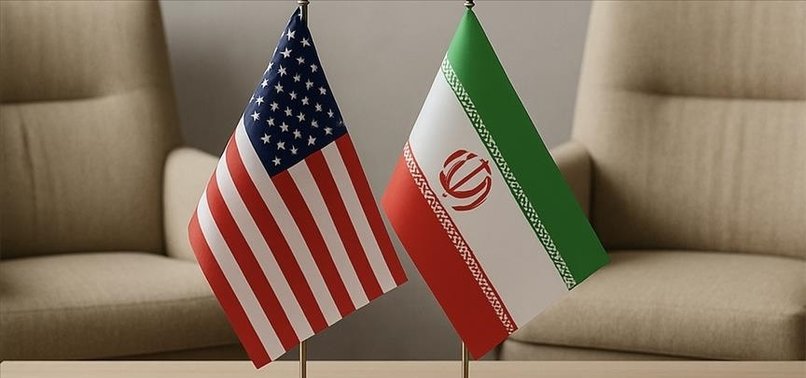
In a rare diplomatic development, the United States and Iran engaged in indirect discussions in Muscat, Oman — signaling a cautious but notable shift in Middle East diplomacy. Senior military and diplomatic representatives from both nations met through intermediaries to explore areas of mutual concern, particularly regional stability and security in the Gulf. Although official details from the talks remain limited, sources indicate that discussions focused on de-escalating tensions and exploring confidence-building measures after years of fraught relations.
Analysts believe that this dialogue, facilitated by Oman’s longstanding neutral position, may lay the groundwork for more formal negotiations addressing issues like nuclear compliance, regional conflicts, and economic pressures. The talks come as both nations face domestic political pressures and shifting geopolitical alliances.
The potential implications of renewed engagement are broad: stabilizing energy markets, reducing the risk of broader conflict, and creating diplomatic openings in conflict zones where both powers exert influence. Observers also view these developments as part of a quieter realignment of Middle Eastern diplomacy, where economic and security cooperation increasingly takes precedence over longstanding hostilities.